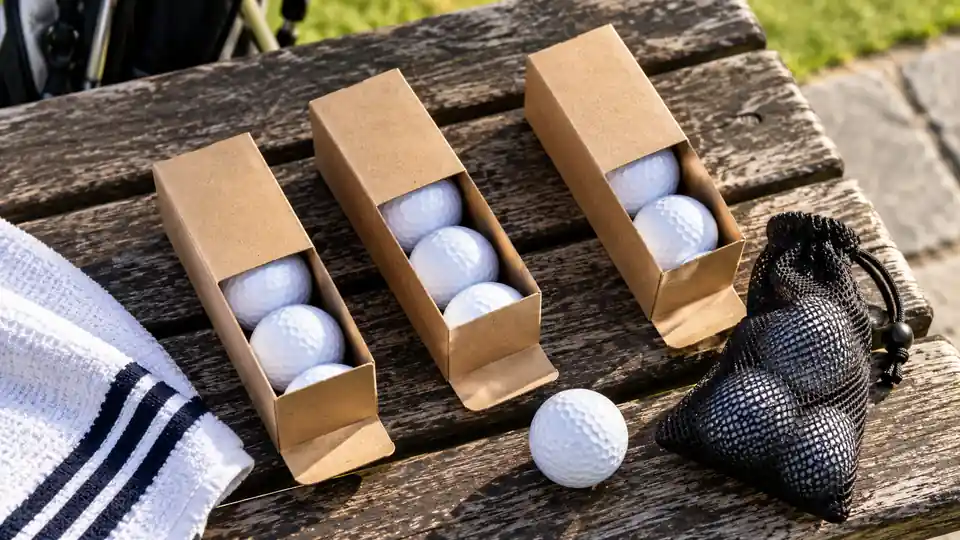
A fresh ball rolls out of the sleeve, catches a little morning light, and immediately looks too nice to lose in the pond beside the first fairway. That is the appeal of shopping below $30: you can choose a consistent new ball without making every wayward tee shot feel like a luxury purchase. The useful distinction is what each model offers for the way you actually play.
This shortlist compares nine separate ball models, including soft-feel designs, a distance-oriented option, and a larger recreational pack. Colors, model-year repeats, and box quantities do not become extra picks. The selected standard packs have a sub-$30 price basis from U.S. manufacturer or retailer information checked during research, but the linked Amazon offer can change by seller, version, and quantity.
Use $30 as the ceiling for the whole selected box, rather than an advertised per-dozen equivalent on an expensive bulk order. Check shipping and tax against your own spending limit, then compare the same ball through putts, chips, and full shots. A comfortable sound off the putter is useful information, but it cannot tell you where a long approach will finish.
Quick Answer
- Distance and Alignment Starting Point: TaylorMade Distance+ 2025 White.
- Soft-Feel Comparison: Callaway Supersoft 2025 White.
- Larger Recreational Pack: WILSON 2024 Chaos Golf Balls.
Comparison Table
| Product | Best Fit | Useful Feature | Main Trade-Off |
|---|---|---|---|
| TaylorMade Distance+ 2025 White | Best Overall | Two-piece distance-oriented construction. | Ionomer construction differs from a premium urethane short-game ball. |
| Callaway Supersoft 2025 White | Best Soft Feel | HyperElastic SoftFast core is central to the 2025 design. | Soft sensation will not suit every player who prefers firmer feedback. |
| Amazon Basics Core Soft Golf Balls | Best for Alignment Practice | Low-compression design emphasizes soft feel. | Basic recreational positioning differs from a dedicated premium wedge-control ball. |
| TaylorMade SpeedSoft Ink | Best for Visibility | Two-piece SpeedSoft platform has a clear soft-feel brief. | Busy graphics may distract golfers who prefer a plain ball. |
| Titleist TruFeel | Best for a Soft Titleist Alternative | Soft-feel construction offers a clear fitting direction. | A golfer seeking a firm impact sensation may prefer another design. |
| Bridgestone e6 | Best for a Soft Distance-Oriented Alternative | Soft-feel positioning provides a clear comparison point. | A golfer prioritizing premium wedge control should compare urethane models. |
| Srixon Soft Feel Golf Balls, Soft Feel 14, White | Best for a Soft Srixon Comparison | FastLayer core transitions from soft center to firmer outer region. | Softer feedback may not appeal to a golfer who prefers firm sensation. |
| TaylorMade Noodle Long & Soft | Best for Straightforward Recreational Play | Two-piece construction keeps the recreational brief simple. | It is a recreational ionomer-cover choice rather than a premium urethane ball. |
| WILSON 2024 Chaos Golf Balls | Best for Casual Visibility | Two-layer construction suits straightforward recreational golf. | Color visibility varies with grass, foliage, and light. |
1. TaylorMade Distance+ 2025 White: Best Overall

A reasonably priced box should still give you something useful to aim with. Distance+ pairs a two-piece distance-oriented construction with TaylorMade’s Plus Alignment Aid, a clear visual feature for the golfer who likes lining up a putt. Picture a weekend round where a sleeve disappears beside the fourth fairway. A replacement ball at this end of the budget can make the next tee shot feel less expensive without promising that its core will straighten a loose swing.
The printed alignment mark is worth trying on a practice green before deciding it suits your routine. Aim it at a short straight putt, then judge whether setting the line feels comfortable or slows everything down. From the tee, the React Speed core and flight-oriented dimple design describe TaylorMade’s construction goals. They do not establish an extra distance figure for your swing. The relevant purchase remains the standard dozen, without adding personalization or a larger bundle that changes the price bracket.
Pros
- Two-piece distance-oriented construction.
- React Speed core anchors the design.
- Extended Flight dimple pattern targets aerodynamic performance.
- Plus Alignment Aid supplies a clear putting reference.
- Standard dozen keeps the initial purchase manageable.
Cons
- Ionomer construction differs from a premium urethane short-game ball.
- Distance emphasis may be less appealing if soft sensation is your first priority.
Choose Distance+ for a clear distance-and-alignment brief, then judge it with ordinary strikes rather than your best drive of the month. If the printed mark fits your putting routine and the flight suits your iron shots, the standard box gives the design a practical purpose in the bag.
To buy this product, click here.
2. Callaway Supersoft 2025 White: Best Soft Feel

Supersoft belongs on this shortlist for its soft-feel brief, rather than because a second color creates another recommendation. Callaway’s 2025 model combines a HyperElastic SoftFast core with a hybrid cover. Picture the player who wants a gentler sensation on a short putt after a firm click from an older distance ball. That preference gives the model a clear reason to enter a budget comparison, while actual launch and control still depend on the player.
A hybrid cover should not be mistaken for the same construction as a premium urethane tour ball. On a short pitch over a bunker, compare the landing and release with the ball you already know; on a longer putt, listen to the sound and judge the pace you produce. The linked white 2025 version keeps this recommendation specific. A Supersoft MAX, a novelty finish, or a different model year should have its own price and construction check rather than borrowing this ball’s description.
Pros
- HyperElastic SoftFast core is central to the 2025 design.
- Soft-feel positioning gives a clear comparison point.
- Hybrid cover combines feel and distance goals.
- White finish provides a traditional address view.
- A standard dozen suits an initial full-round trial.
Cons
- Soft sensation will not suit every player who prefers firmer feedback.
- Hybrid cover is a different choice from a premium urethane tour construction.
Supersoft makes sense when a gentler sensation is a purchase priority. Compare its response on a long putt and a short pitch before filling a cupboard with boxes. The standard white version keeps the visual side quiet, leaving you to judge feel and flight with your own clubs.
To buy this product, click here.
3. Amazon Basics Core Soft Golf Balls: Best for Alignment Practice
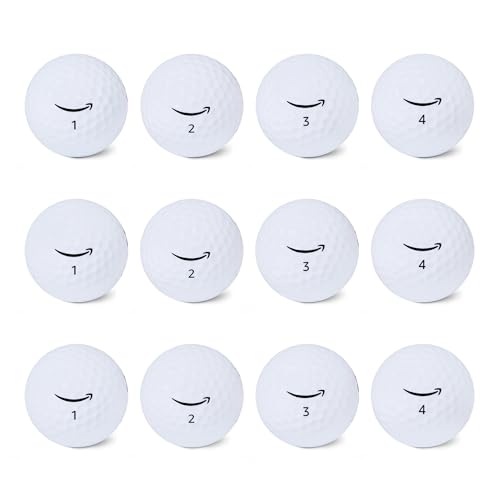
Amazon Basics Core Soft takes the straightforward starter route: a low-compression ball, a side-stamp alignment feature, and a modest 12-ball purchase. Picture a beginner trying to keep the same ball model in play across a lesson and the next nine holes. A smaller pack can make that experiment easier to fund. The selected white dozen is the offer to compare here, rather than assuming the larger yellow 24-pack has the same total checkout price.
The side stamp gives a beginner a ready-made reference for putting alignment, and low-compression positioning supplies a simple feel comparison. Try a short putt and a controlled chip before deciding whether the response feels comfortable. This is a basic recreational purchase, so a golfer selecting primarily for aggressive wedge control has a different brief. Also compare the delivered total: a low merchandise price can become less useful if a shipping charge pushes a small order beyond the amount you planned to spend.
Pros
- Low-compression design emphasizes soft feel.
- Side stamp supplies a putting-alignment reference.
- Twelve-ball pack makes a modest trial supply.
- White finish works with a conventional putting view.
- Recreational format suits practice and ordinary rounds.
Cons
- Basic recreational positioning differs from a dedicated premium wedge-control ball.
- A small pack can have a less favorable delivered cost if shipping is added.
Choose Core Soft for a straightforward trial supply and an alignment mark you can use on the practice green. A beginner can keep the same model through several sessions without needing an elaborate fitting theory. Check the exact dozen and delivery total, then let ordinary putts and chips shape the next purchase.
To buy this product, click here.
4. TaylorMade SpeedSoft Ink: Best for Visibility

SpeedSoft Ink gives the golfer who likes a bold visual cue a different look from a plain white ball. The paint-splatter styling sits on TaylorMade’s soft-feel two-piece SpeedSoft platform, so the pattern is a tracking preference rather than a separate performance tier. Picture a white ball disappearing against pale leaves beyond the fringe. The Ink treatment may be easier for your eyes to follow, but that is something to check in your own light before buying several boxes.
The PWRCORE and ionomer-cover construction put SpeedSoft in a different conversation from the brand’s urethane tour balls. On an ordinary pitch, pay attention to release instead of assuming that a lively-looking cover pattern creates extra stopping power. On the putting green, check whether the markings help focus or distract you. The selected Ink version is one model recommendation. Other ink colors and plain SpeedSoft versions are alternatives within the family, with their own checkout prices to confirm.
Pros
- Two-piece SpeedSoft platform has a clear soft-feel brief.
- PWRCORE construction targets feel and ball speed.
- Ionomer cover suits the recreational comparison.
- Bold Ink pattern creates a distinctive visual reference.
- Several finishes allow a personal visibility choice within the model.
Cons
- Busy graphics may distract golfers who prefer a plain ball.
- Ionomer construction differs from premium urethane-cover options.
SpeedSoft Ink is the visual wildcard worth trying before a bulk order. Look at it over a putt and follow it against the grass you normally play. If that pattern makes the ball easier to identify without cluttering your aim, it has earned its place through a useful preference rather than a promised spin gain.
To buy this product, click here.
5. Titleist TruFeel: Best for a Soft Titleist Alternative

TruFeel offers a soft-feel Titleist route without moving this purchase into the premium tour-ball bracket. Its TruTouch core and soft cover give the model a clearer identity than another pack size of Distance+. Picture a player who enjoys a muted putter sensation yet still wants one familiar ball for the entire round. Start that comparison with short putts and chips, where a preferred feel can be assessed without turning a manufacturer distance claim into a personal yardage result.
The current TruFeel’s soft-feel emphasis is useful if sensation is a large part of the decision, but it does not settle every flight or spin preference. A player landing wedges on firm greens should compare the release with the ball normally used for scoring shots. A slower practice-green putt is another worthwhile check because sound and feel influence how confidently some golfers judge pace. Keep the selected standard dozen separate from custom printing and larger packs, which can move the purchase beyond this article’s ceiling.
Pros
- Soft-feel construction offers a clear fitting direction.
- TruTouch core anchors the model’s design.
- Soft cover provides another greenside feel comparison.
- Conventional round-ball presentation suits everyday play.
- Standard dozen permits a focused trial with one model.
Cons
- A golfer seeking a firm impact sensation may prefer another design.
- Soft-feel positioning does not make it a premium urethane tour ball.
TruFeel is worth a look for the golfer who wants the softer end of Titleist’s range at a manageable box price. Give it a proper practice-green comparison and a few normal approaches. The right reason to keep it is a response you enjoy through the bag, rather than the brand name alone.
To buy this product, click here.
6. Bridgestone e6: Best for a Soft Distance-Oriented Alternative

Bridgestone e6 belongs in the soft, distance-oriented part of this shortlist. Its uncomplicated recreational brief makes sense for the golfer who wants a comfortable response through the bag without paying primarily for a tour-style short-game package. Picture a smooth tee shot early in the morning, followed by a bump-and-run onto a slow green. Those are useful ordinary shots for comparing the e6 with your current ball, rather than judging the box by the longest drive you happen to hit.
The e6 comparison becomes more useful when you keep the task ordinary. Hit a few familiar pitches, putt toward the same target, and check whether the response fits the way you control pace. A golfer seeking a premium urethane cover should shop that construction directly rather than inferring it from a soft-feel label. The selected e6 model also deserves its own pack and generation check. An e12 or a different e6 presentation should not inherit the same price or every detail merely because the branding looks similar.
Pros
- Soft-feel positioning provides a clear comparison point.
- Distance-oriented design suits recreational play.
- Conventional full-round format works through the bag.
- Standard white finish keeps the visual presentation familiar.
- A dozen provides a manageable initial supply.
Cons
- A golfer prioritizing premium wedge control should compare urethane models.
- Its softer-feel brief may not suit a player seeking a firm click.
Choose e6 for the soft, distance-oriented direction and check how that brief translates into your ordinary round. A few chips and longer putts can tell you more about the feel preference than a distance slogan. Keep the selected model and pack consistent while making that comparison.
To buy this product, click here.
7. Srixon Soft Feel Golf Balls, Soft Feel 14, White: Best for a Soft Srixon Comparison

Srixon Soft Feel brings a FastLayer core and thin ionomer cover to the value comparison. The core transitions from a softer center toward a firmer outer region, a construction choice behind the model’s feel-and-distance positioning. Picture a player who dislikes a hard click off the putter but still wants a conventional full-round ball. Compare the white Soft Feel 14 selected here with the other soft models using the same clubs and a small group of ordinary shots.
Soft Feel’s 338 Speed Dimple Pattern gives the construction an aerodynamic focus, while the cover remains different from a premium urethane design. Think about a longer approach and the first bounce on the green, rather than using one pleasant putter strike to infer all-round control. There is no universal compression match determined by age or handicap alone. Play the selected model beside your usual ball, check flight and release, and decide whether its softer response is a preference you would keep for a full round.
Pros
- FastLayer core transitions from soft center to firmer outer region.
- 338 Speed Dimple Pattern gives the construction an aerodynamic focus.
- Thin ionomer cover contributes to the soft-feel brief.
- White finish gives a conventional view at address.
- Standard dozen works for a consistent-model trial.
Cons
- Softer feedback may not appeal to a golfer who prefers firm sensation.
- Ionomer cover is a different construction from a premium urethane tour ball.
Soft Feel is a useful Srixon comparison when a gentle response matters more than a complicated feature checklist. Watch a few approaches land and judge pace on longer putts before deciding. The useful choice is the ball whose everyday behavior you understand, with the selected dozen still inside the budget.
To buy this product, click here.
8. TaylorMade Noodle Long & Soft: Best for Straightforward Recreational Play
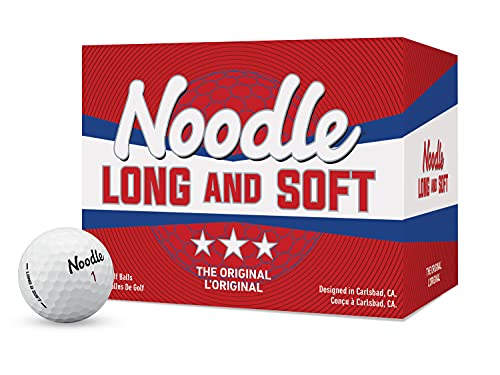
Noodle Long & Soft keeps the purchase simple: a recreational two-piece ball, a soft-feel brief, and a 15-ball pack. That extra sleeve changes the cost-per-ball calculation without creating a different ball model. Picture a golfer heading to an unfamiliar course with water on several approaches. A manageable replacement cost can make the supply decision easier, while the actual tee shot still asks for a sensible target and a swing you can repeat.
The appeal is a low-pressure full-round supply, rather than a promise that a soft-feel value ball performs like a tour urethane model around the green. Try a chip from a normal lie and a longer putt before committing to a bulk order. The 15-ball quantity matters here: compare the total for that box, then divide by fifteen if you want a cost-per-ball figure. Do not compare a used mixed bag with these new balls as though their model consistency and condition were identical.
Pros
- Two-piece construction keeps the recreational brief simple.
- Soft-feel positioning supplies a clear comparison point.
- Fifteen-ball pack includes an extra sleeve over a standard dozen.
- Conventional white finish suits ordinary rounds.
- Value-oriented supply can work for unfamiliar courses.
Cons
- It is a recreational ionomer-cover choice rather than a premium urethane ball.
- A fifteen-ball box may be unnecessary for a golfer seeking only a small sample.
The Noodle earns a look when a simple new-ball supply matters. Compare the fifteen-ball total with the other qualifying boxes, then play it through a normal round. A comfortable feel and a sensible replacement cost can be enough reason to choose it without promising a transformed long game.
To buy this product, click here.
9. WILSON 2024 Chaos Golf Balls: Best for Casual Visibility

Wilson Chaos supplies a colorful 24-ball option in a two-layer recreational design. That larger box has a different practical role from a premium dozen: a usable stock for relaxed rounds, family golf, or a golfer who loses balls regularly. Picture sorting a ball pocket before a weekend outing. Multiple colors help distinguish your ball from a playing partner’s white one, but the whole selected pack must remain below the budget ceiling to qualify here.
The selected multicolor pack gives each ball a practical identity on a busy fairway, although the easiest color to find changes with grass, leaves, and light. The two-layer Surlyn construction keeps the comparison in the straightforward recreational category. On a firm green, a golfer chasing maximum wedge control should compare a urethane alternative rather than expecting a larger value pack to supply the same construction. Choose Chaos for its simple supply-and-visibility role, with the current pack total checked before ordering.
Pros
- Two-layer construction suits straightforward recreational golf.
- Surlyn cover gives the design a familiar value-ball construction.
- Multicolor finish helps distinguish balls in a group.
- Twenty-four-ball pack provides a larger ready supply.
- One model across the pack allows consistent practice.
Cons
- Color visibility varies with grass, foliage, and light.
- Two-layer Surlyn design differs from a premium urethane wedge-control ball.
Chaos suits the golfer shopping for a colorful recreational supply rather than a specialized tour construction. Check which colors your eyes follow easily and whether the complete pack remains inside the ceiling. That keeps the larger box useful for actual rounds, instead of turning quantity into a substitute for fit.
To buy this product, click here.
Buying Guide
Compare the Whole Box Before Cost per Ball
The pack total decides whether an offer belongs below $30. A 24-ball box at $35 fails that limit, although its per-ball figure can look attractive beside a premium dozen. Start with the selected quantity and the current new-ball price, then include delivery and tax in your personal spending decision. Once the box qualifies, divide its total by the number of balls to compare value. This keeps a small trial dozen and a larger recreational pack on terms you can actually use.
Choose a Feel Preference without Assuming a Distance Result
Soft-feel positioning tells you the direction of a model’s design, rather than the exact sensation or carry distance it will produce with your clubs. On a practice green, roll several short and longer putts with the same putter. Then compare a few ordinary iron shots using clean examples of each ball. Listen to the click and watch the flight, but keep the two observations separate. A softer sound can be enjoyable without proving that the ball traveled farther.
Check the Cover Against Your Scoring Shots
Several affordable balls use ionomer or Surlyn covers and a straightforward two-piece construction. That can suit everyday recreational play, while a golfer who relies on high-spin wedge shots may prefer a different construction. Imagine a short-sided pitch to a firm green, then a simple running chip with room to release. Those shots ask different things from a ball. Compare the bounce and rollout with your usual model instead of assuming that every soft ball supplies premium urethane control.
Try Color and Alignment in Real Light
A colored cover or a bold printed mark is useful only if your eyes enjoy it during play. A ball visible on summer grass can be harder to pick out in autumn leaves, and a busy pattern can distract a golfer who likes a plain putting view. Check the selected finish at address and from a short distance away. An alignment aid should fit your routine without creating an extended aiming ritual. Treat another color as an option within the same model, with its own offer price.
Buy a Trial Supply Before Stocking the Garage
A dozen or modest starter pack gives you enough balls to compare the model across a lesson, practice green, and ordinary round. That is a more useful first purchase than a mountain of a ball you dislike putting with. Keep the model consistent while you learn its flight and release, replacing badly scuffed balls rather than judging the design from a damaged example. Once the fit feels sensible, a larger pack can be considered on its actual total price and storage needs.
Keep New, Used, and Refinished Offers Separate
A mixed used-ball bag can have a tempting price, but it introduces different models, wear, and possible refinishing into the comparison. These recommendations concern specific new-ball models. Check the seller description, quantity, generation, and condition before checkout so the delivered product matches the article. A premium brand name on an inexpensive used pack does not make that offer equivalent to a new, consistent dozen. Decide which purchase you want before comparing the numbers on the screen.
Budget Golf Ball FAQ
Does Under $30 Mean per Dozen?
Here it means the whole selected pack costs less than $30 before any delivery or tax you need to include in your personal budget. A larger box can qualify, but a higher-priced bulk box does not qualify merely because its per-dozen equivalent is low.
Can These Balls Produce the Same Wedge Control as Premium Tour Balls?
Do not assume that from the price or soft-feel label. Cover material, construction, shot conditions, and strike matter. If a particular high-spin wedge shot is central to your game, compare the ball with a urethane model and watch actual landing and release.
Should Beginners Always Choose the Softest Ball?
No. Beginners can compare feel, visibility, price, and the way the ball behaves on ordinary shots. A consistent affordable model can make learning simpler, while the softest sensation is a personal preference rather than a universal handicap prescription.
Are the Different Colors Separate Recommendations?
No. A different finish or pack quantity is a variation within the model. Choose the color that is comfortable to track, then confirm its own price. This shortlist counts one recommendation for each of nine independent ball models.
Why Use New Balls Rather Than a Mixed Used Bag?
A new single-model pack provides a more consistent starting point for comparing feel, flight, and release. Used balls can be economical, but condition and mixed generations add variables. Compare those purchases separately rather than assuming they provide identical products.
What If the Linked Pack Rises Above $30?
Skip that offer for this budget. Check another selected pack or choose a different qualifying model, keeping quantity and condition consistent. The Amazon seller price at checkout governs the purchase, and a past sale does not preserve eligibility after the price changes.
Final Verdict
Distance+ is the starting comparison for a distance-oriented ball with a clear putting mark. Supersoft gives the soft-feel buyer another direction, while Chaos supplies a larger recreational pack when its total remains below the ceiling. TruFeel, e6, Soft Feel, SpeedSoft Ink, Noodle, and Core Soft cover other feel, visibility, and supply preferences without counting colors as extra models.
Buy the exact new-ball pack you have priced, then give it a fair comparison through the bag. Watch a few pitches release, roll putts at more than one distance, and keep the model consistent for an ordinary round. The best value is a qualifying box you enjoy playing, rather than the biggest discount attached to a ball that misses your priorities.
